Villainy at Its Finest
- Jan 18, 2016
- 3 min read

In the last one of my reflections for Macbeth, I wrote about how Macbeth is actually the Villain in Macbeth, as opposed to Lady Macbeth. In the reflection I talked about how Macbeth might have his motivations and ideas for his murders given to him by Lady Macbeth and the Witches but he is the one who actually executes the murder. This reflection made me think about what makes a good villain.
There are many different villains, but they all fit into broader archetypes. Firstly is the villain that is bent on utter destruction. This villain has a lack of compassion, and usually has a focus on violent or war-like actions. Secondly is the sly and cunning villain who works behind the scenes to meet his or her goals. This villain tries to appear as though they are not actually an evil person. Alternatively this could just hide themselves from view too. Next is the ruler villain. This villain is one in a kingly or other powerful position, and then will use this power they have to oppress or otherwise harm the good in its opposition. Fourth is the villain that uses terror to meet his goals. Whether this villain horrifies people for fun, for profit, or for both does not matter. Villains of this variety most often have a terrifying appearance. This then helps them with their overall goal of horror. Finally is the turncoat. This last kind of villain is at one time good but then has a change of heart or mind that makes them into a villain. This villain usually has a hatred for the hero and vice versa. Villains might fit into more than one of these broad groups, but will most likely fit into one.

Another quality to the villain is his or her relation to the hero. In a plot the villain will need a good motive for their actions. This is easily found when looking at the relation between the hero and the villain. The turncoat friend or family that has a reason to turn against the hero is one of the easiest to observe. This villain was once good and had a change of heart or mind as previously stated. Stemming from this if the villain is looked at from their own point of view this then makes them more relatable to the reader or audience because they are not evil for no reason but have a seemingly justified cause. The relationship of the villain could be direct or indirect, but this does not change the type of relationship. The next relation is the tyrant or cruel leader against the appearingly weaker force. The evil leader does not have to be the most powerful person in the story as long as they are more powerful than the force of good that it is in juxtaposition with. The force of good also does not need to be directly oppressed by the villain. The hero or force of good could also be trying to liberate another entity from the villain. The third relation is the equal opposite. This villain is equal to the hero, but works in trying to defeat the hero in one way or another. Just as before the villain could fit into more than one of these groups, but in the way of looking at a villain there is always exceptions as every plot will have its own differences that make it unique.
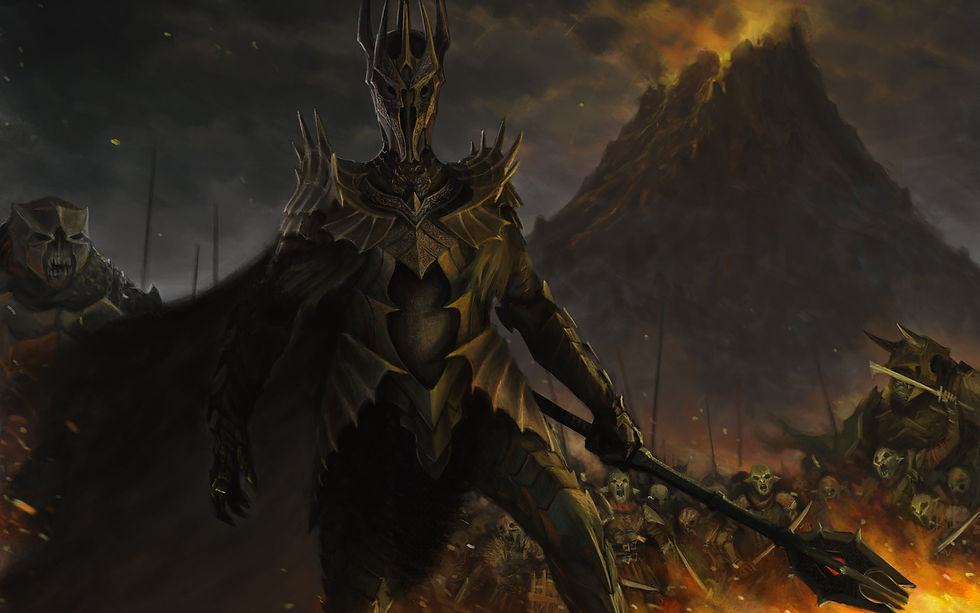
The delivery of a villain is also important to how “good” a villain is. Villains will typically need to draw their background into their reason for the evil they do. Sometimes the background will link their descent into evil back to the hero. Other situations have the villain earlier being weaker than the good which drives them to become even more evil. Next is the mysterious villain. The lack of a clear background that could later be expanded one leaves the reader or audience to decide what they think is the background for the villain. The foundation of the villain’s character lies in the background of the character, which in turn usually drives the evil that they do.
Villains come in all shapes and sizes, both physically and metaphorically. The evil that they commit has their own flair and style to it. The idea of the villain is a testament to the fears and nightmares of the storytellers throughout time. Not to mention the creativity that has made some of the most horrifying and most despised characters in human history.


Comments